

Posted on Wednesday, December 3, 2025
By Dr. Roy Stoller, Double Board-Certified Plastic Surgeon
By Dr. Roy Stoller
Double Board-Certified Plastic Surgeon
The Evolution and Artistry of Modern FUE Hair Transplantation: Perspectives from Three Decades in Practice
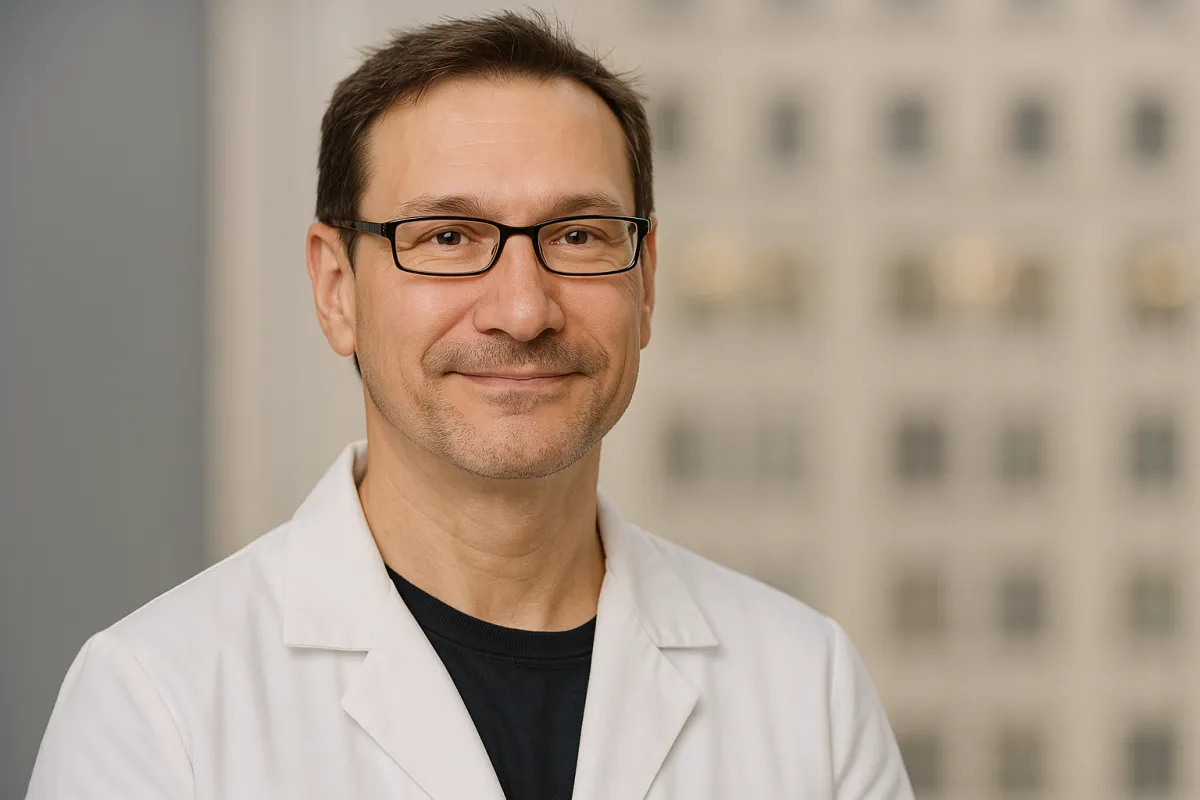
Roy Stoller, MD
Dr. Roy B. Stoller is a leading pioneer in hair restoration and is recognized as one of the world’s foremost experts in hair transplant surgery. Having completed more than 15,000 hair transplants, he brings unparalleled experience to his patients and is committed to offering the latest advancements in surgical and non-surgical hair loss treatments for both men and women.
Known for exceptional, natural-looking results, Dr. Stoller combines proven surgical techniques with customized treatment methods to address each patient’s unique hair and scalp needs. He takes the time to thoroughly evaluate every individual and design a tailored plan that aligns with their restoration goals.
A Respected Leader and Educator
In addition to his surgical expertise, Dr. Stoller is a respected educator and thought leader. He serves as an author and examiner for the board certification exam for facial plastic surgeons and has contributed to numerous workshops and presentations worldwide.
When I began performing hair transplants over thirty years ago, the landscape of hair restoration looked vastly different than it does today. The introduction and refinement of Follicular Unit Extraction (FUE) has revolutionized our field, transforming what was once a conspicuous surgical procedure into an art form that delivers remarkably natural results. As someone who has witnessed and contributed to this evolution firsthand, I'd like to share insights that go beyond the typical discussion of FUE benefits.
Understanding the Nuanced Patient Selection Process
One of the most critical aspects of successful FUE transplantation that rarely receives adequate attention is proper patient selection. Not every candidate who walks through our doors is ideal for FUE, despite its widespread applicability. The quality and characteristics of the donor area tell a story that experienced surgeons must interpret carefully.
I've observed that patients with certain hair characteristics—particularly those with slight natural curl and good hair caliber—often achieve results that exceed expectations. The curl creates additional coverage that straight hair cannot provide, while robust hair shafts maintain their vitality through the extraction and implantation process. Conversely, patients with extremely fine, straight hair require adjusted expectations and often benefit from a hybrid approach combining FUE with complementary treatments.
The donor area's density and elasticity also play pivotal roles that extend beyond simple graft calculations. Through years of practice, I've developed what I call the "sustainability index"—a comprehensive evaluation considering not just current density but projected future loss patterns, lifestyle factors, and long-term goals. This holistic assessment helps ensure we're not just solving today's problem but planning for the patient's entire hair restoration journey.
When I began performing hair transplants over thirty years ago, the landscape of hair restoration looked vastly different than it does today. The introduction and refinement of Follicular Unit Extraction (FUE) has revolutionized our field, transforming what was once a conspicuous surgical procedure into an art form that delivers remarkably natural results. As someone who has witnessed and contributed to this evolution firsthand, I'd like to share insights that go beyond the typical discussion of FUE benefits.
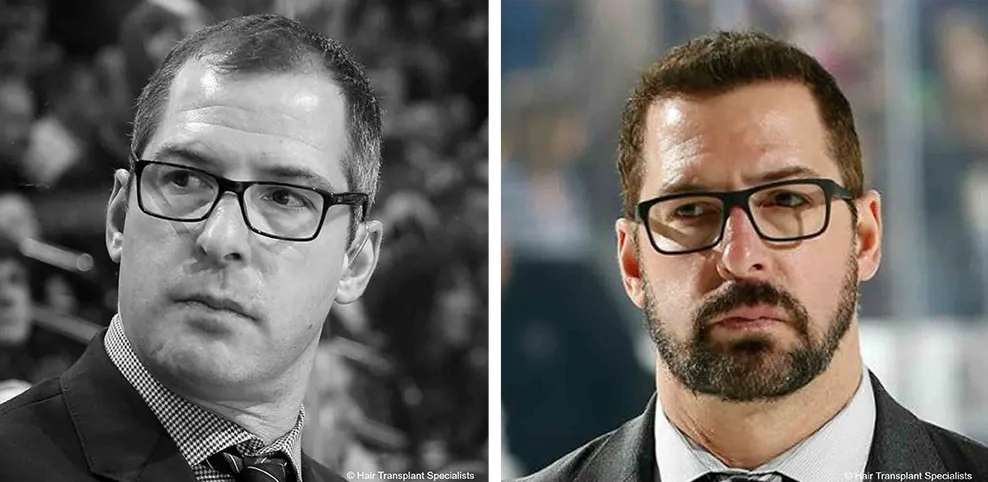
Darryl Sydor, Hockey player & coach from Edmonton
Understanding the Nuanced Patient Selection Process
One of the most critical aspects of successful FUE transplantation that rarely receives adequate attention is proper patient selection. Not every candidate who walks through our doors is ideal for FUE, despite its widespread applicability. The quality and characteristics of the donor area tell a story that experienced surgeons must interpret carefully.
I've observed that patients with certain hair characteristics—particularly those with slight natural curl and good hair caliber—often achieve results that exceed expectations. The curl creates additional coverage that straight hair cannot provide, while robust hair shafts maintain their vitality through the extraction and implantation process. Conversely, patients with extremely fine, straight hair require adjusted expectations and often benefit from a hybrid approach combining FUE with complementary treatments.
The donor area's density and elasticity also play pivotal roles that extend beyond simple graft calculations. Through years of practice, I've developed what I call the "sustainability index"—a comprehensive evaluation considering not just current density but projected future loss patterns, lifestyle factors, and long-term goals. This holistic assessment helps ensure we're not just solving today's problem but planning for the patient's entire hair restoration journey.
One of the most critical aspects of successful FUE transplantation that rarely receives adequate attention is proper patient selection. Not every candidate who walks through our doors is ideal for FUE, despite its widespread applicability. The quality and characteristics of the donor area tell a story that experienced surgeons must interpret carefully.
I've observed that patients with certain hair characteristics—particularly those with slight natural curl and good hair caliber—often achieve results that exceed expectations. The curl creates additional coverage that straight hair cannot provide, while robust hair shafts maintain their vitality through the extraction and implantation process. Conversely, patients with extremely fine, straight hair require adjusted expectations and often benefit from a hybrid approach combining FUE with complementary treatments.
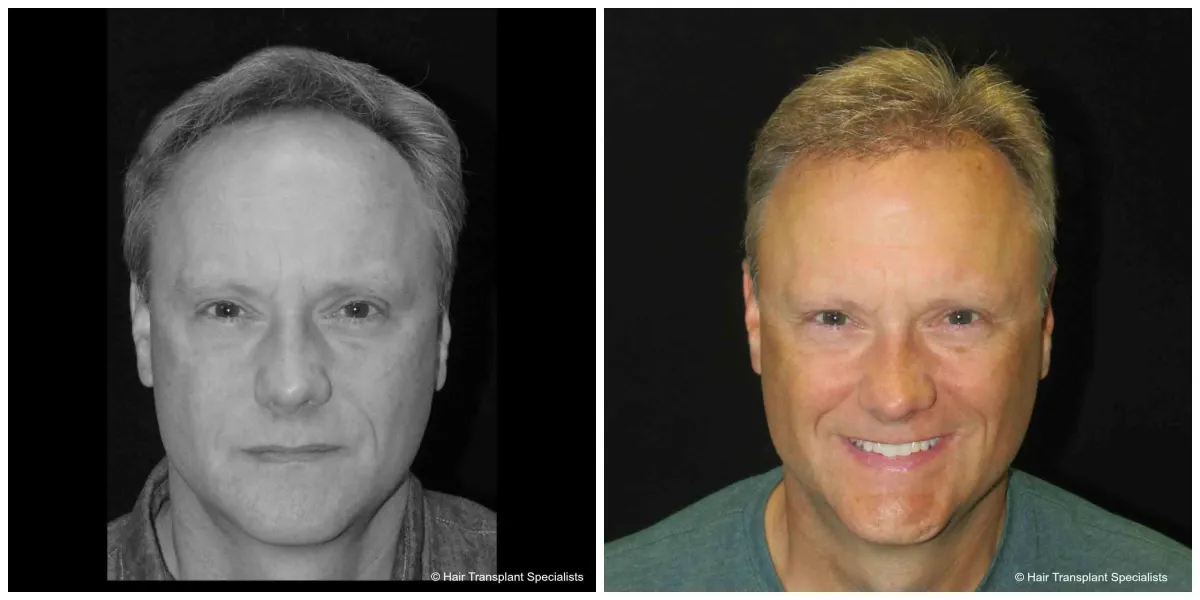
Rob Olson, Reporter with Fox 9 Minneapolis News
The donor area's density and elasticity also play pivotal roles that extend beyond simple graft calculations. Through years of practice, I've developed what I call the "sustainability index"—a comprehensive evaluation considering not just current density but projected future loss patterns, lifestyle factors, and long-term goals. This holistic assessment helps ensure we're not just solving today's problem but planning for the patient's entire hair restoration journey.
Darryl Sydor, Hockey player and coach from Edmonton
Rob Olson, Reporter with Fox 9 Minneapolis News
Bring Your Confidence Back to Life!
Guided by Dr. Roy Stoller, New York’s trusted FUE clinic with over 15,000+ transformations.
Gain New Confidence With a Restored Look
Renowned Double Board-Certified Surgeon
$0 Down Financing – Start Today, Pay Later
Real Patients. Real Results. Real Confidence.
The Microscopic Details That Define Excellence
The difference between good and exceptional FUE results often lies in details invisible to the naked eye. The angle and depth of extraction, the rotation speed and motion pattern of the punch, and even the temperature of the holding solution all influence graft survival rates. In our practice, we've refined our extraction protocols to minimize transaction rates to below 3%, significantly lower than the industry average.
One innovation I'm particularly proud of implementing is our "progressive density mapping" technique. Rather than extracting uniformly across the donor area, we create subtle gradients that maintain the natural appearance of the donor region while maximizing graft yield. This approach requires more planning and skill but prevents the moth-eaten appearance that can plague poorly executed FUE procedures.
The implantation phase deserves equal attention to detail. We've moved beyond simply filling spaces to what I term "architectural restoration." This involves recreating the natural micro-patterns of hair growth, including the subtle irregularities that make hairlines appear genuine rather than artificially perfect. The anterior hairline should never be a straight line or perfect curve—nature doesn't work in perfect geometry.
Managing the Healing Journey
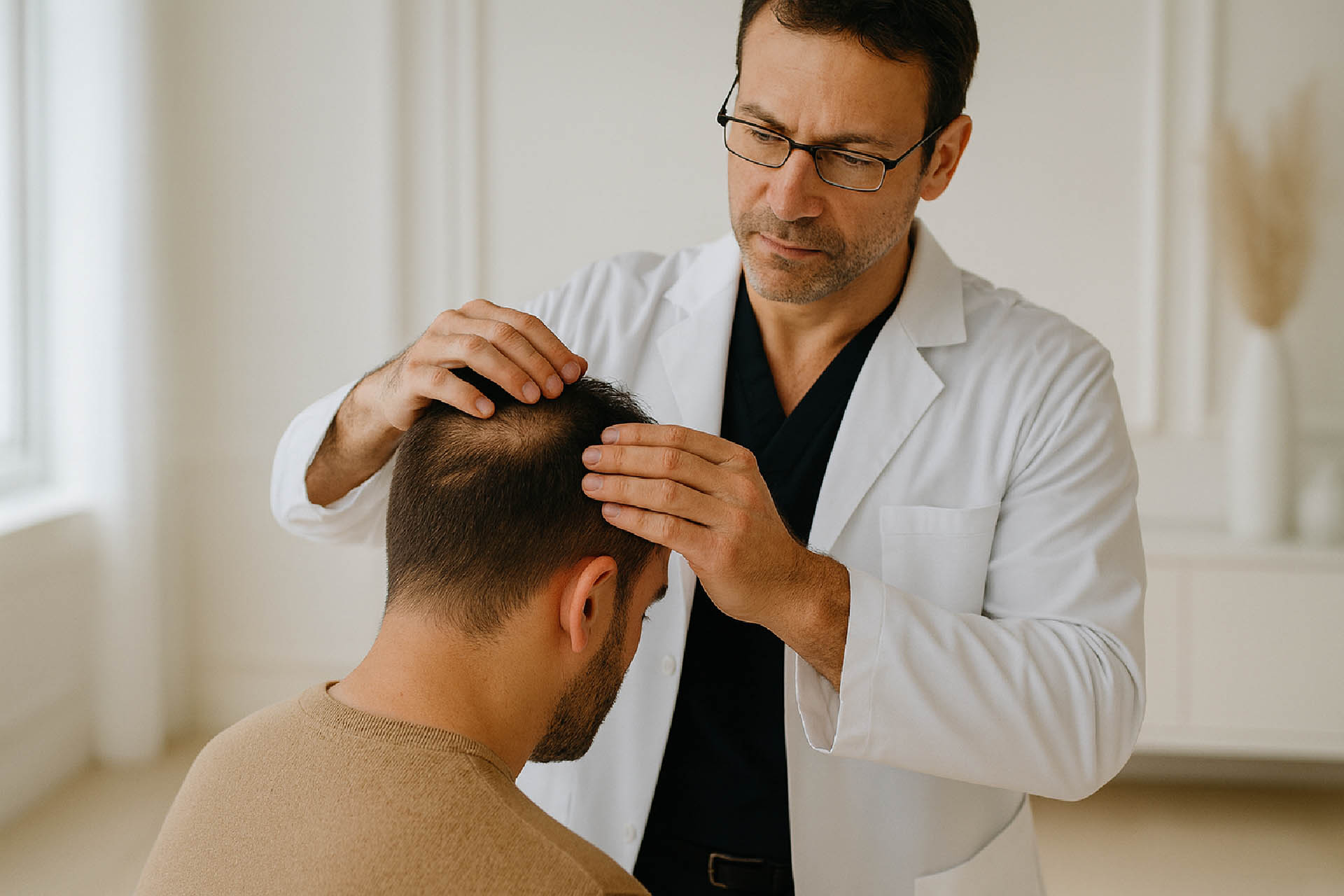
Post-operative care has evolved dramatically from the "set it and forget it" mentality of earlier years. We now understand that the first 14 days post-procedure represent a critical window where proper care can improve graft survival rates by up to 15%. Our protocol includes customized nutrition plans rich in specific amino acids and minerals that support follicular health, along with carefully timed anti-inflammatory interventions that reduce shock loss without impeding healing.
I've also observed that patients who engage in specific scalp exercises beginning at week three experience improved blood flow to transplanted areas, potentially enhancing growth rates and final density. These gentle massage techniques, combined with proper hydration and protection from UV exposure, create optimal conditions for new growth.

The Psychological Dimension
Perhaps the most underappreciated aspect of FUE transplantation is its psychological impact. Hair loss affects identity and self-perception in profound ways that extend far beyond cosmetic concerns. I've witnessed countless patients experience genuine life transformations following successful procedures—renewed confidence that impacts their careers, relationships, and overall life satisfaction.
This psychological dimension influences our approach to consultation and planning. We spend considerable time understanding not just what patients want to achieve aesthetically, but why they want to achieve it. This deeper understanding helps us create results that align with their self-image and life goals, not just fill in missing hair.
Ready to Start Your Transformation?
One follicle at a time, we'll restore your confidence.
Limited consultation spots available.
Looking Forward
The future of FUE technology excites me tremendously. Developments in artificial intelligence-assisted extraction, regenerative medicine applications, and combination therapies promise to push success rates even higher. However, I believe the human element—the surgeon's artistic vision, experience, and ability to connect with patients—will always remain central to exceptional outcomes.
For those considering FUE transplantation, my advice is simple: choose your surgeon based on their artistic portfolio, technical expertise, and commitment to your long-term results, not just price or promises. The difference between adequate and exceptional results often comes down to the practitioner's dedication to excellence in every microscopic detail.
Hair restoration through FUE represents a perfect marriage of science and art, precision and creativity. After three decades in this field, I remain passionate about advancing these techniques and transforming lives one follicle at a time.
Roy Stoller, MD
Dr. Roy B. Stoller is a leading pioneer in hair restoration and is recognized as one of the world’s foremost experts in hair transplant surgery. Having completed more than 15,000 hair transplants, he brings unparalleled experience to his patients and is committed to offering the latest advancements in surgical and non-surgical hair loss treatments for both men and women.
Known for exceptional, natural-looking results, Dr. Stoller combines proven surgical techniques with customized treatment methods to address each patient’s unique hair and scalp needs. He takes the time to thoroughly evaluate every individual and design a tailored plan that aligns with their restoration goals.
A Respected Leader and Educator
In addition to his surgical expertise, Dr. Stoller is a respected educator and thought leader. He serves as an author and examiner for the board certification exam for facial plastic surgeons and has contributed to numerous workshops and presentations worldwide.

New York & Pennsylvania's Premier FUE Hair Transplant Clinic | Manhattan, Albany, Long Island, Pennsylvania
© 2025 Stoller Medical Group. All rights reserved.